Address
304 North Cardinal
St. Dorchester Center, MA 02124
Work Hours
Monday to Friday: 7AM - 7PM
Weekend: 10AM - 5PM
Address
304 North Cardinal
St. Dorchester Center, MA 02124
Work Hours
Monday to Friday: 7AM - 7PM
Weekend: 10AM - 5PM
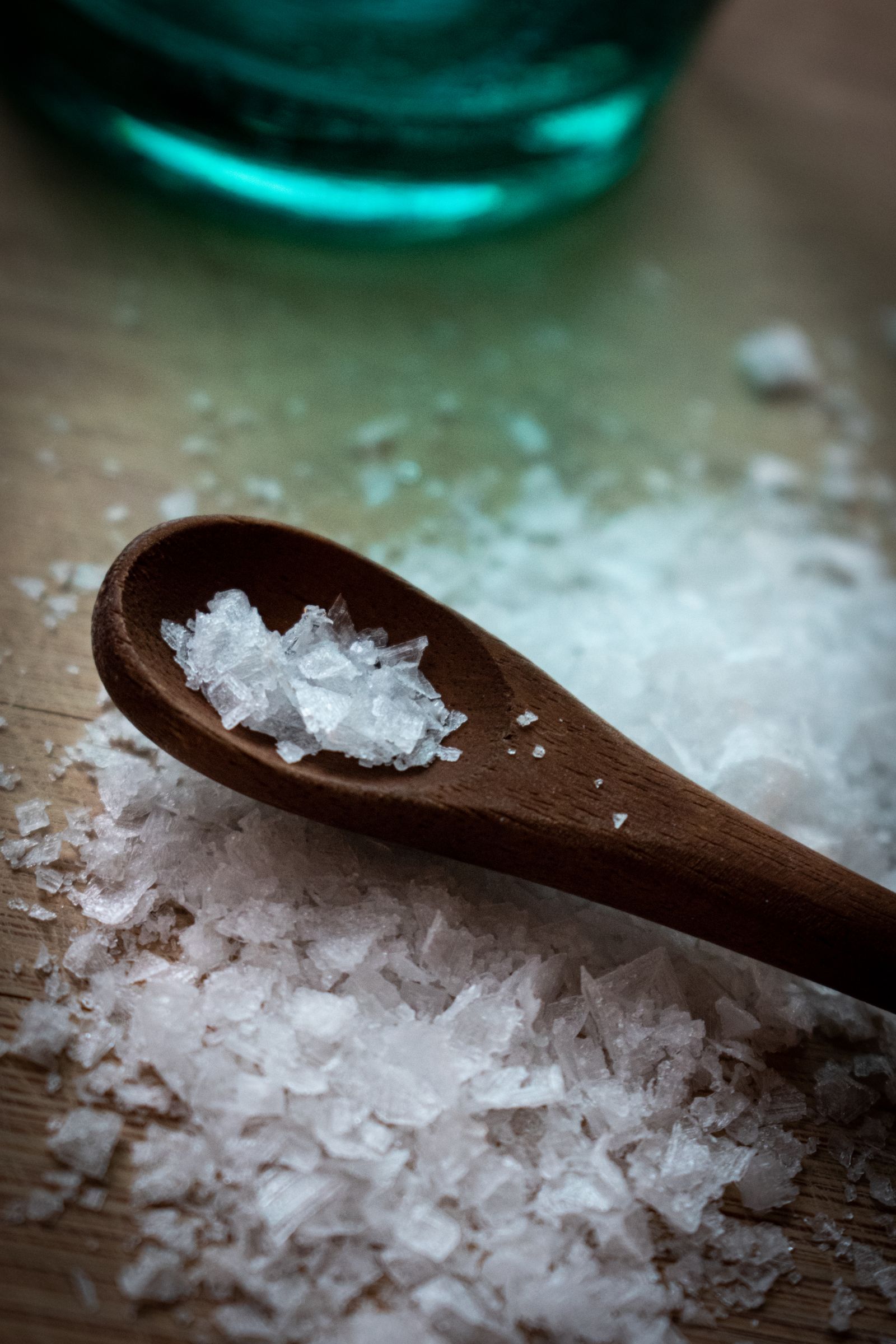
One of the first questions every new salt-system owner asks is simple: how much salt do I actually add? The honest answer is that it depends on three numbers, and guessing any of them usually means either an under-salted spa or an over-salted one.
The underlying math is straightforward: salt needed (lb) = gallons × (target ppm − current ppm) × 8.3454 / 1,000,000. The 8.3454 factor is the weight of one US gallon of water, so the formula converts a parts-per-million difference into pounds of salt. Metric equivalent: kg = liters × (target ppm − current ppm) / 1,000,000.
Rather than doing this by hand, you can use our free hot tub salt calculator, which applies the formula, shows bag counts, and reminds you to retest after circulating.
Once your salt level is where your manual calls for, ongoing care is mostly about consistency. Our salt water-care guide covers the parameters worth monitoring and how often to check them, and if something behaves unexpectedly, the troubleshooting library lists the checks in the order that finds most problems fastest.
Remember: an estimate is a starting point, not a verdict. Test, add, circulate, retest — and always keep your product manual as the final authority for your specific system.